3 Days in Hoi An Itinerary (2026): Banh Mi, Bikes & Lantern-Lit Nights on a Budget
A 3D2N Hoi An itinerary: lantern-lit Ancient Town, tailor shops, cao lau and banh mi, where to stay, plus a full cost breakdown in SGD and VND.

Heads up: some links here are affiliate links. Book through them and we might earn a little something, at zero extra cost to you. Mostly it goes towards more Cao Lau.
Hoi An is stop #3 on our Vietnam Travel Guide series. Catch up on the earlier legs or skip ahead, we won't judge!
Hoi An boasts mustard-yellow shophouses, silk lanterns strung across every street, and a river that glows after dark. It's also one of the best food towns in Vietnam, and the place to get a suit or dress made in a day or two.
Out of all the cities we visited throughout the trip, this small city was by far our favourite! The food and weather here were great, and the staff at our homestay was so helpful and friendly with her food recommendations and cycling routes.
There are tons of beautiful tailors if you’re looking for custom clothing, which looked amazing from all the storefronts. We really wanted to get a suit and dress too, but unfortunately, it wasn’t in our books for this round! We eventually came back for a longer trip to finally get our custom suit and dress!
In this Guide:
- Best Time to Visit Hoi An
- How to Get to Hoi An
- Where to Stay in Hoi An
- Things to Do in Hoi An
- Local Food in Hoi An: Dishes to Try
- 3-Day Hoi An Itinerary
- Cost Breakdown for Hoi An
- Hoi An Travel FAQ
Best Time to Visit Hoi An
- February to April: The sweet spot, with warm, dry days and comfortable evenings for wandering the Old Town.
- May to August: Hot and sunny, and great for the beach, but the midday heat is intense. Explore early and late, and rest in the afternoon.
- September to January: The rainy season. October and November are the wettest months, and the riverside Old Town is prone to flooding. Some years the streets are under water and boats replace bikes.
We visited in December, when it was rainy, wet, and cool. The old town was indeed flooding in the streets nearest to the river...
Pro-Tip: Time your visit with the full moon
Try to time your visit with the full moon. Each month on the 14th day of the lunar calendar, the Old Town dims its electric lights and the streets glow with lanterns and candles!

How to Get to Hoi An
Hoi An doesn't have its own airport or train station. The nearest hub is Da Nang, about 30km north.
From Hue (what we did)
There's no direct train or public bus from Hue to Hoi An. We took the 6am train from Hue to Da Nang (about 2.5 to 3.5 hours, and sit on the left for sea views over the Hai Van Pass), then a shared minivan from Da Nang to Hoi An (about 45 minutes to 1 hour).
It cost us around S$7 per pax for the train and another S$7 for the minivan transfer. There are several drop off points in Hoi An, and ours was literally right outside our accommodation in Hoi An.
The transport company was also very prompt in responding to our queries about the pick up and drop off points, and they’ll even send you an image of the pick-up vehicle and vehicle plate number via Whatsapp.

Short on time? A private car from Hue to Hoi An takes about 3 to 4 hours door to door, and many drivers will stop at the Hai Van Pass along the way.
From Da Nang Airport
Da Nang International Airport (DAD) is about 45 minutes from Hoi An by car. Grab and taxis are easy to find, or you can pre-book an airport transfer.
Depending on where you’re being dropped off by your private transport, you can most definitely walk to your next destination. The city is really small, with everything a short walk or cycle away.
Where to Stay in Hoi An
Luxury Picks
Bel Marina Hoi An Resort is a riverside resort a short walk from the Ancient Town, with a huge infinity pool and a second pool on the rooftop overlooking the Thu Bon River. Free bikes make it easy to pop into town and come back to the spa.
RiverTown Hoi An Resort & Spa is tucked away on An Hoi Island between two rivers, just moments from the Old Town. Expect two pools, a calming spa and balconies made for watching the sunset over the water.
For a beach escape, Boutique Hoi An Resort sits right on Cua Dai Beach, with leafy gardens and a pool, and the Old Town is about 10 minutes away by taxi.
Comfortable Mid Range Options
Amina Lantana Hoi An Hotel & Spa is a highly rated hotel with a shaded central pool, a spa and free bikes for cycling to the beach or the Old Town. It feels resort-like without the resort price tag.
About a 15-minute walk from the Ancient Town, Lantana Boutique Hoi An Hotel is equipped with a pool, a full spa and a free shuttle to An Bang Beach. Guests keep praising the friendly staff and the breakfast.
A peaceful villa with a big pool overlooking the rice fields, about 1.5km from the Old Town. Hoi An Four Season Villa is a great pick if you'd rather wake up to green views than busy streets.
Budget Choices
Anriva Hoi An is a small, newly opened villa with just 7 rooms, river views and a pool, around a 7-minute walk from the Ancient Town. Free bikes and warm, helpful hosts make it feel like great value.
The House 36 is a cosy family-run homestay about a 10-minute walk from the Old Town. It's simple, with no pool, but it's clean, and the owners go out of their way to help.
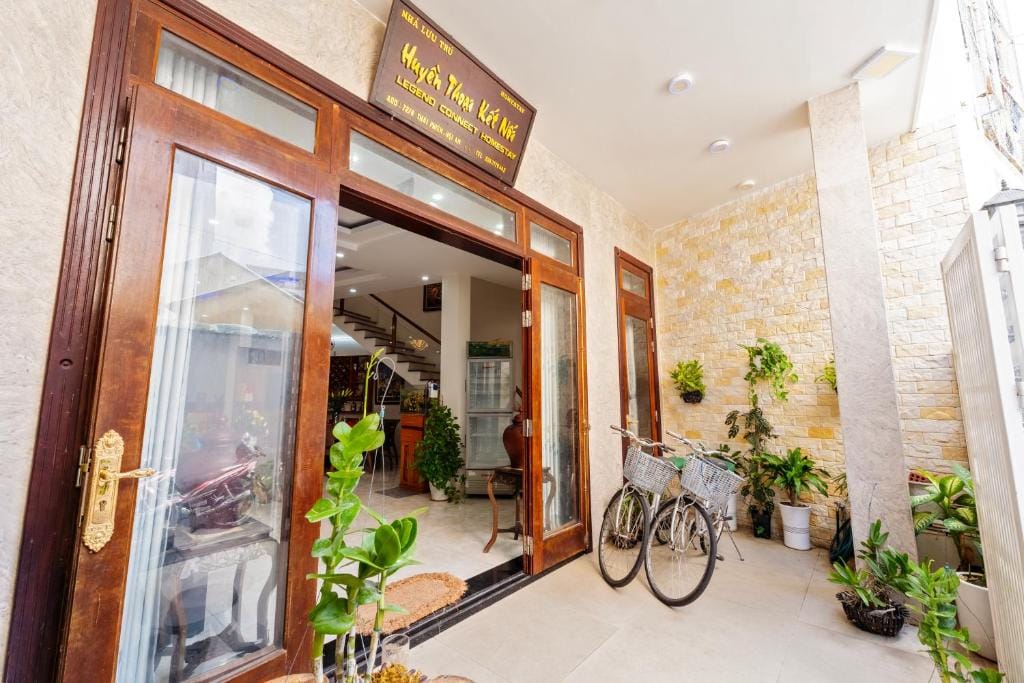
The rooms were clean and cosy, and the staff were very friendly and helpful. You can rent bicycles from the homestay for free too!
Amount Paid: 630,000₫ (S$38.00)
Location: 76 Thái Phiên, Phường Minh An, Hội An, Quảng Nam 560000, Vietnam
Check-in From: 2pm – 6pm
Check-out By: 12pm
The owner and staff were really friendly and welcoming when we arrived at the homestay! The staff (Thuong) gave us a really quick overview of what we could do during our stay here and introduced us to popular local spots for food every day!
She even shared with us a scenic cycling route (under the itinerary for Day 2), streets where we could find local food stands, and the local specialities in the area.
Things to Do in Hoi An
1. Wander the Hoi An Ancient Town
A UNESCO World Heritage Site and the reason most people come. Centuries of trade left behind Chinese assembly halls, Japanese-influenced houses and French colonial shopfronts, all within a few walkable blocks.
To enter the heritage sites such as the Japanese Bridge or Quan Cong Temple, you'll need an Old Town ticket (120,000₫ for foreigners), which includes coupons for 5 sites.
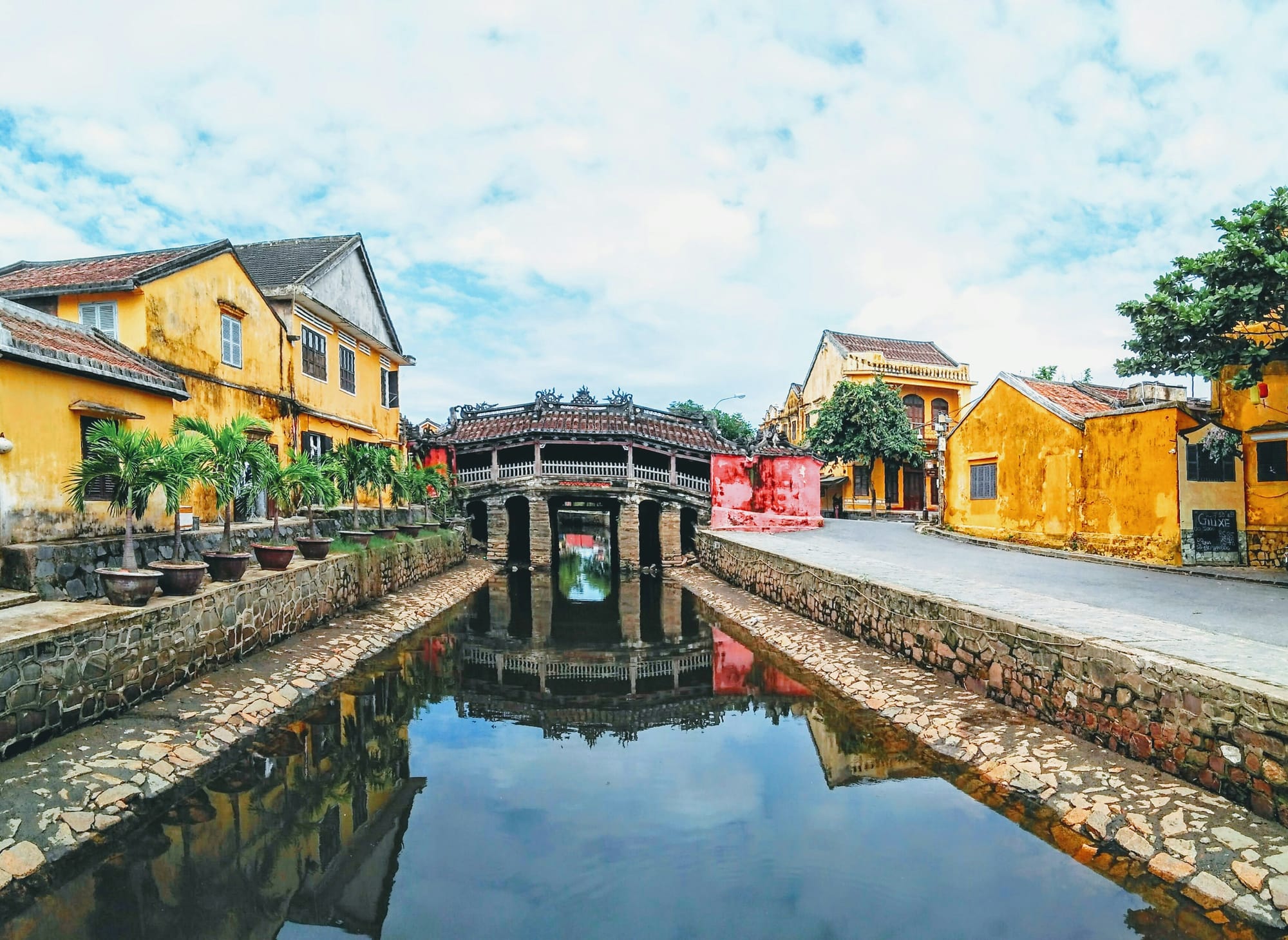
2. See the Japanese Covered Bridge
Hoi An's most famous landmark, built by the Japanese community in the early 1600s. It reopened in 2024 after a major restoration. As this is one of the 22 heritage sites in Hoi An, you'll need to get a ticket to cross the bridge.
3. Release a Lantern on the Thu Bon River
After dark, hop on a small wooden boat and set off a paper lantern in the river. It's touristy, but still magical. If you're planning on embarking on this experience, remember to agree on the price before you board!!
4. Browse the Hoi An Night Market
Across the An Hoi bridge, there is a night market packed with lantern stalls, souvenirs and street snacks. It's a good place to pick up a lantern to take home as a souvenir for the young children in the family!
5. Get Clothes Tailor-Made
Hoi An is famous for its tailors, who can make suits, dresses and shirts in as little as 24 to 48 hours. Arrive early in your trip so there's time for a second fitting.
We did not get any clothes tailored on this trip, but we eventually returned again for a longer 7-day trip here to get some custom suits, dresses, and others.
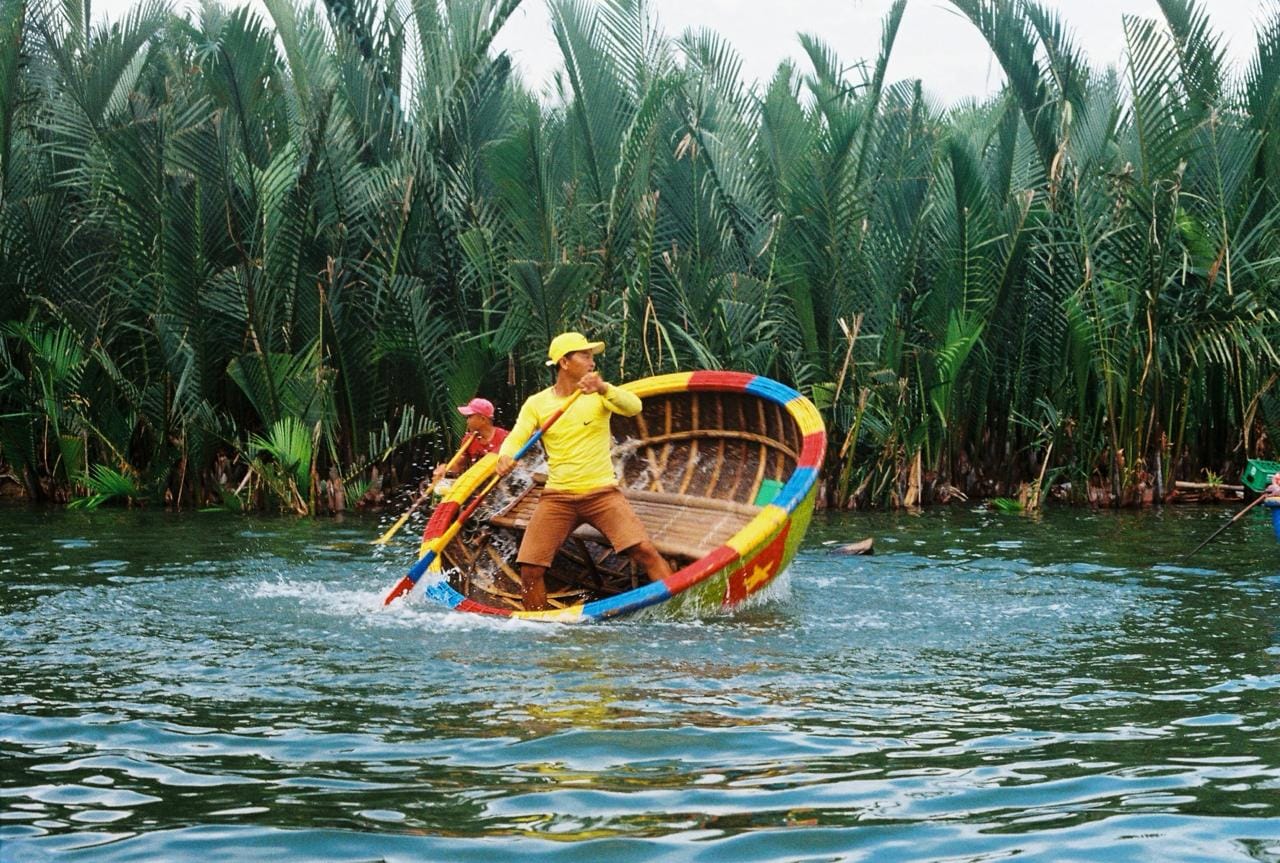
6. Take a Basket Boat Ride in the Cam Thanh Coconut Forest
Spin around in a round bamboo basket boat through the water coconut palms. Expect some showmanship from the boat rowers.
7. Spend a Morning at An Bang Beach
A laid-back beach with seafood shacks and sun loungers, an easy escape from the Old Town crowds.
8. Take a Vietnamese Cooking Class
Many classes start with a market visit or a trip to Tra Que herb village, then teach you to make dishes like Banh Xeo and fresh spring rolls.
9. Day Trip to My Son Sanctuary (if you have an extra day)
The ruins of Hindu temples built by the Champa Kingdom, about 60km from Hoi An. It's a UNESCO site, best visited early in the morning before the heat and the crowds.

Half Day Tour to My Son Sanctuary
Explore the Cham temple ruins of My Son, built between the 4th and 14th centuries, on a half-day trip from Hoi An. Go early in the morning to beat the heat, or late afternoon for sunset over the surrounding valley, with fewer crowds either way.
Local Food in Hoi An: Dishes You Have to Try
Hoi An's centuries as a trading port gave it a food scene with Chinese, Japanese and Vietnamese influences, and a few dishes you can't find anywhere else. Here's what to hunt down.
1. Cao Lau
Hoi An's signature dish: chewy, thick noodles with slices of pork, crispy crackers, fresh herbs and just a splash of broth. Locals say real cao lau can only be made in Hoi An.
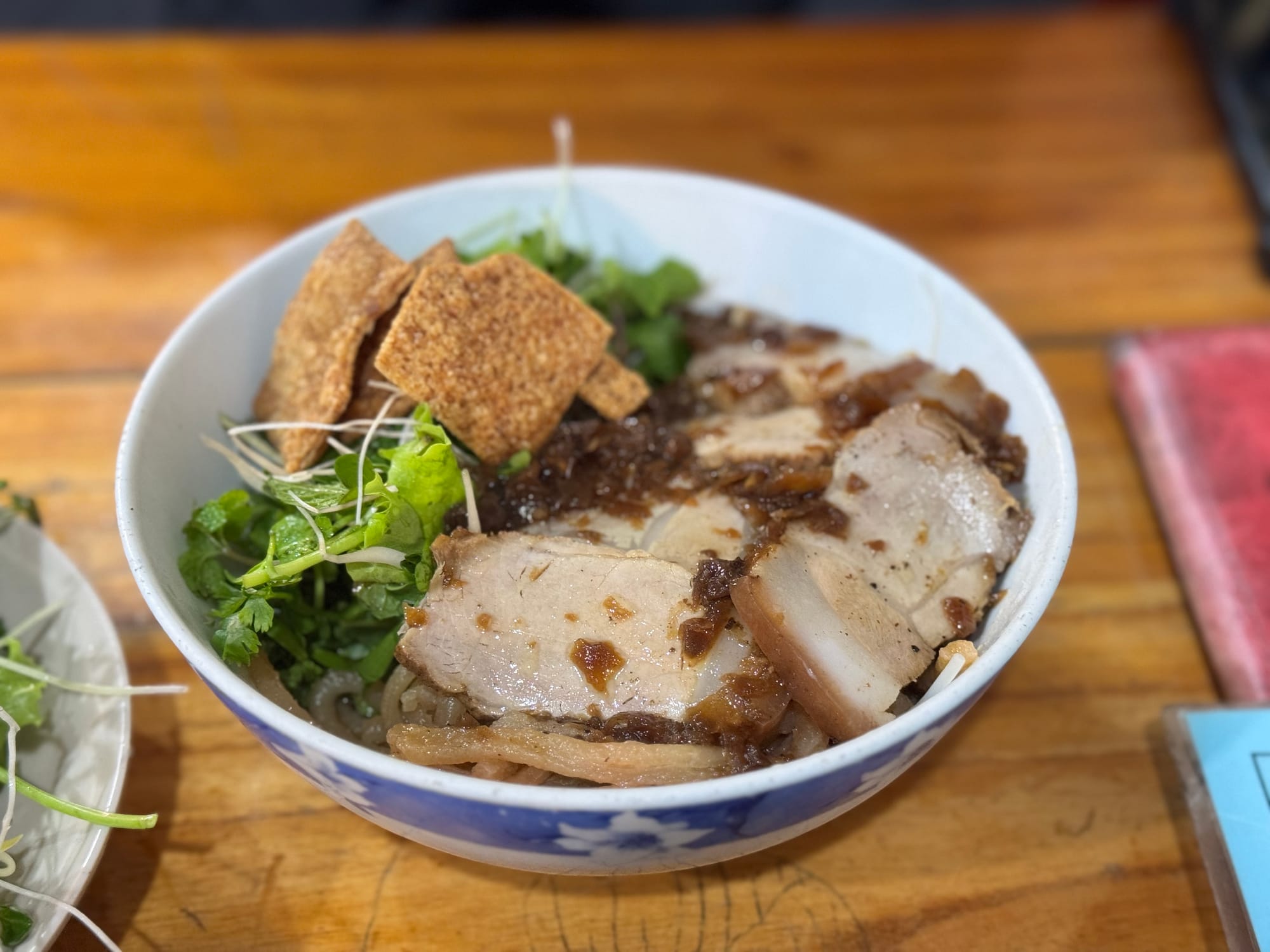
2. Mi Quang
Wide turmeric-yellow rice noodles with a small amount of rich broth, topped with shrimp, pork or chicken, peanuts and a sesame rice cracker.
3. Banh Mi
Hoi An has some of the most famous banh mi in Vietnam, stuffed with pâté, meats, pickles and chilli in a crackly baguette.
4. White Rose Dumplings (Banh Bao Banh Vac)
Delicate translucent dumplings filled with shrimp and pinched to look like a rose, then topped with crispy shallots. It's a Hoi An speciality made by just a handful of families.
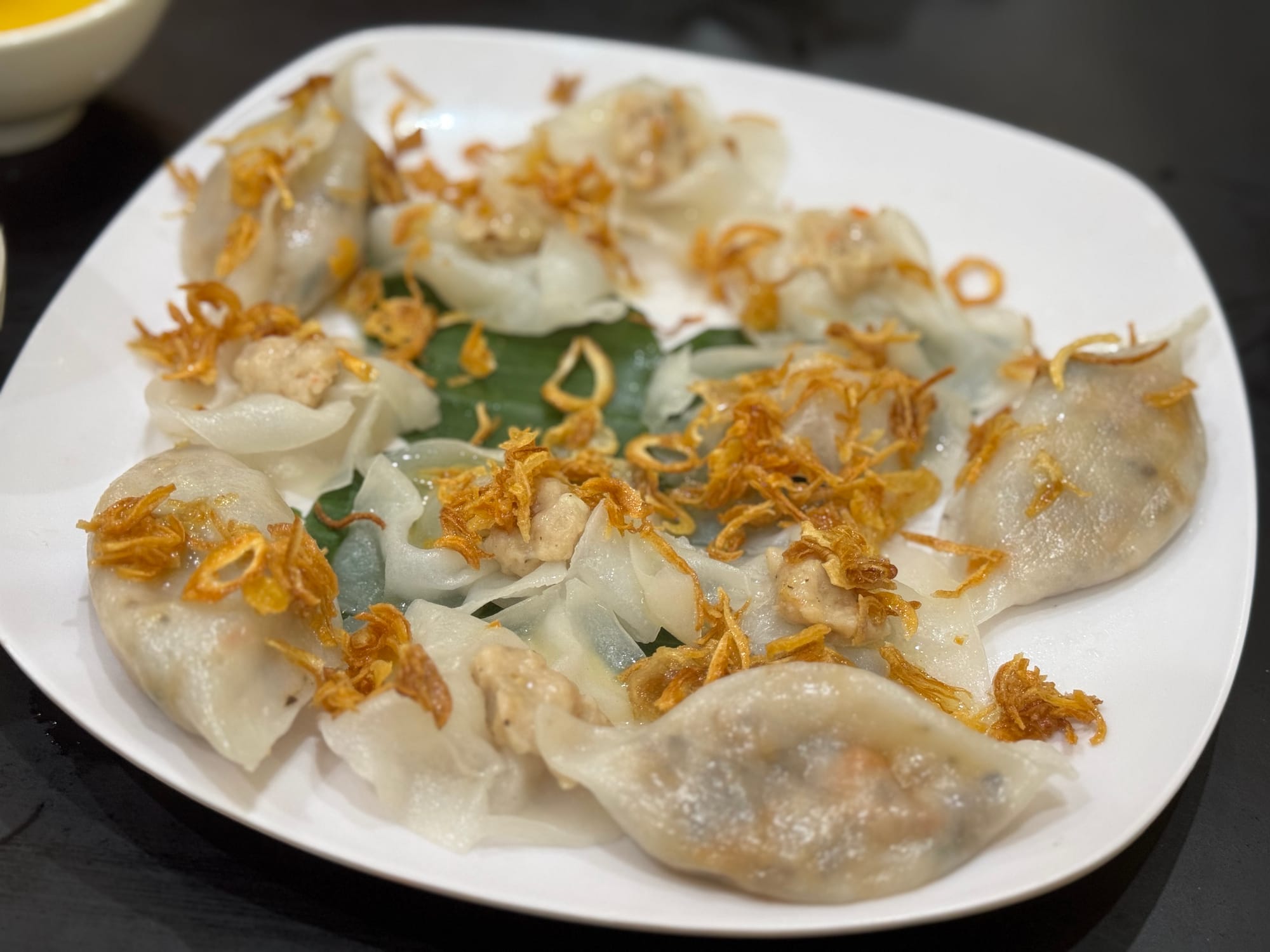
5. Com Ga Hoi An (Chicken Rice)
Turmeric rice cooked in chicken broth, topped with shredded chicken, herbs and pickled onions. It's simple, but you'll crave it for days.
6. Banh Xeo
Crispy rice pancakes filled with shrimp, pork and bean sprouts, which you wrap in rice paper and herbs and dunk in peanut sauce.
7. Che & Fresh Coconut
A sweet ending: grab a cup of che (Vietnamese dessert soup) or a fresh coconut while walking the Old Town.
Day 1 in Hoi An: Banh Mi Crawl & Night Markets
With what was left of our first day in Hoi An, we went to scout for some good food to fill our stomachs and explore the night markets. Here’s how our evening went and the different foods we tried:
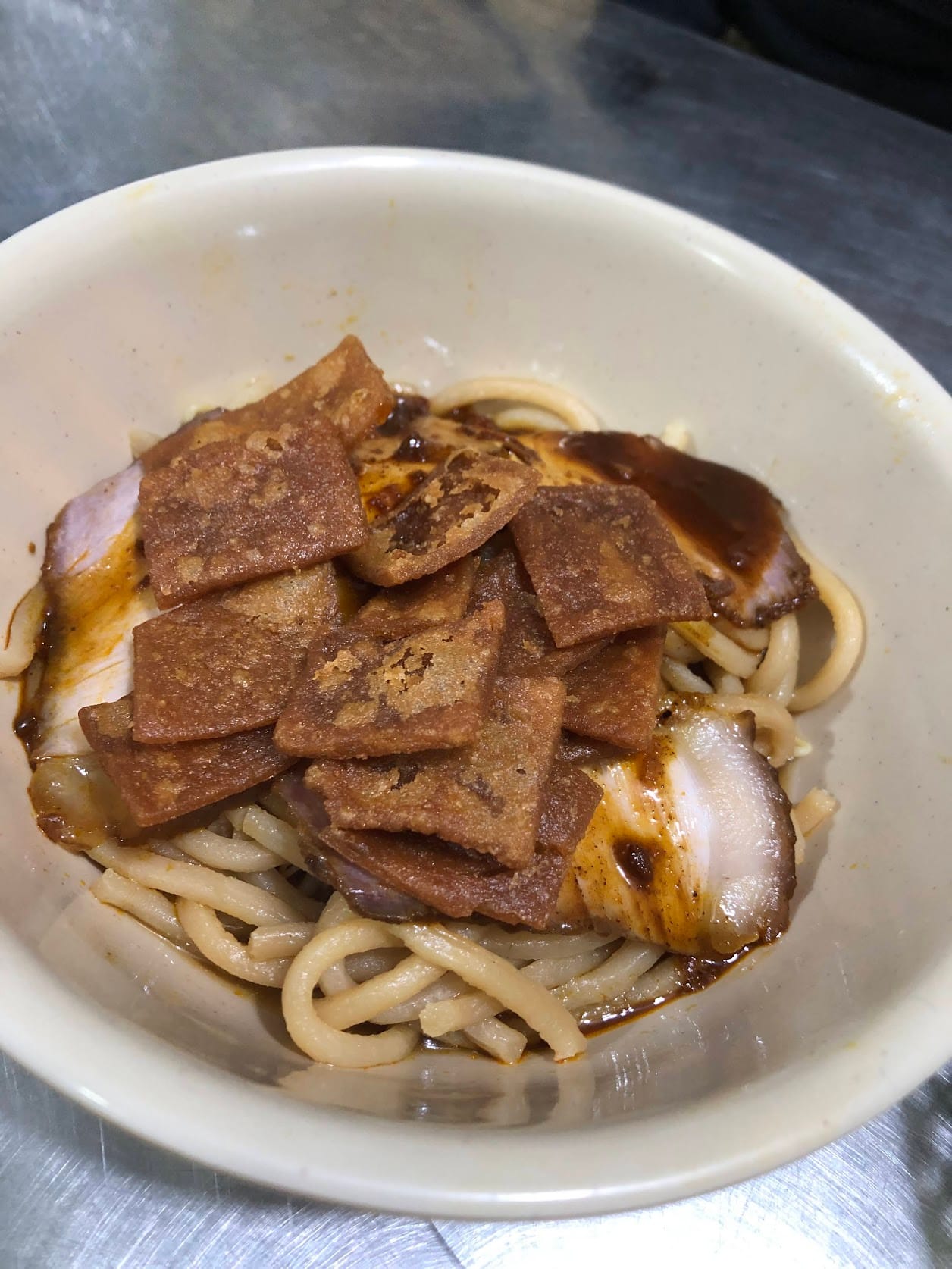
- Cao Lau (Hoi An’s regional noodle dish)
- Banh Mis (stores recommended by our homestay staff and the popular store recommended by Mr Anthony Bourdain)
Cao Lau Lien
Operating hours: 6.30am – 8.30pm daily
This place was introduced to us by one of the staff at our homestay. Unfortunately, the portion was really small, so we had to continue our hunt for more food!
Cost: 35,000₫ (S$2.00)
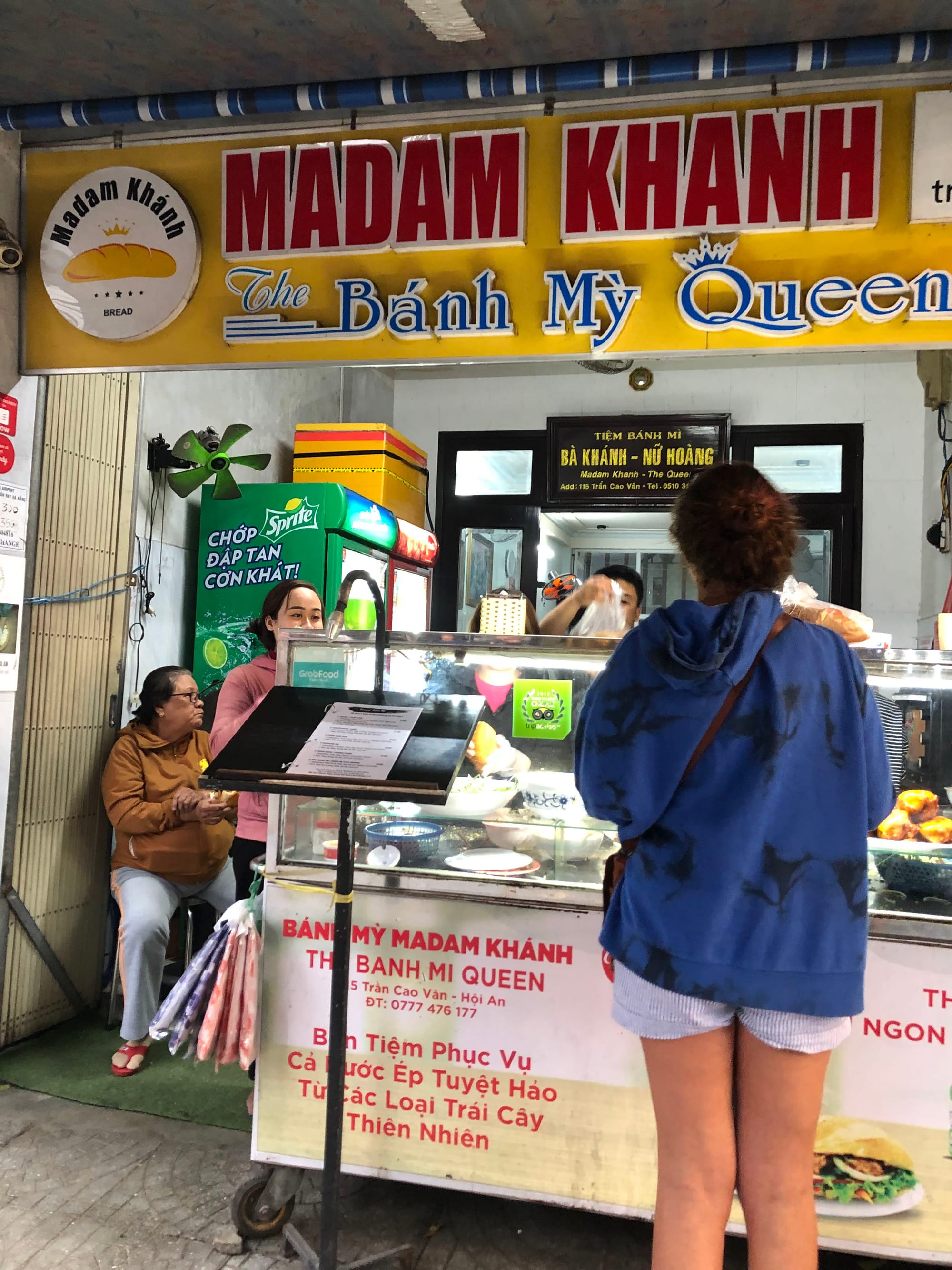
Madam Khanh – The Banh Mi Queen
Operating hours: 6.30am – 7pm daily
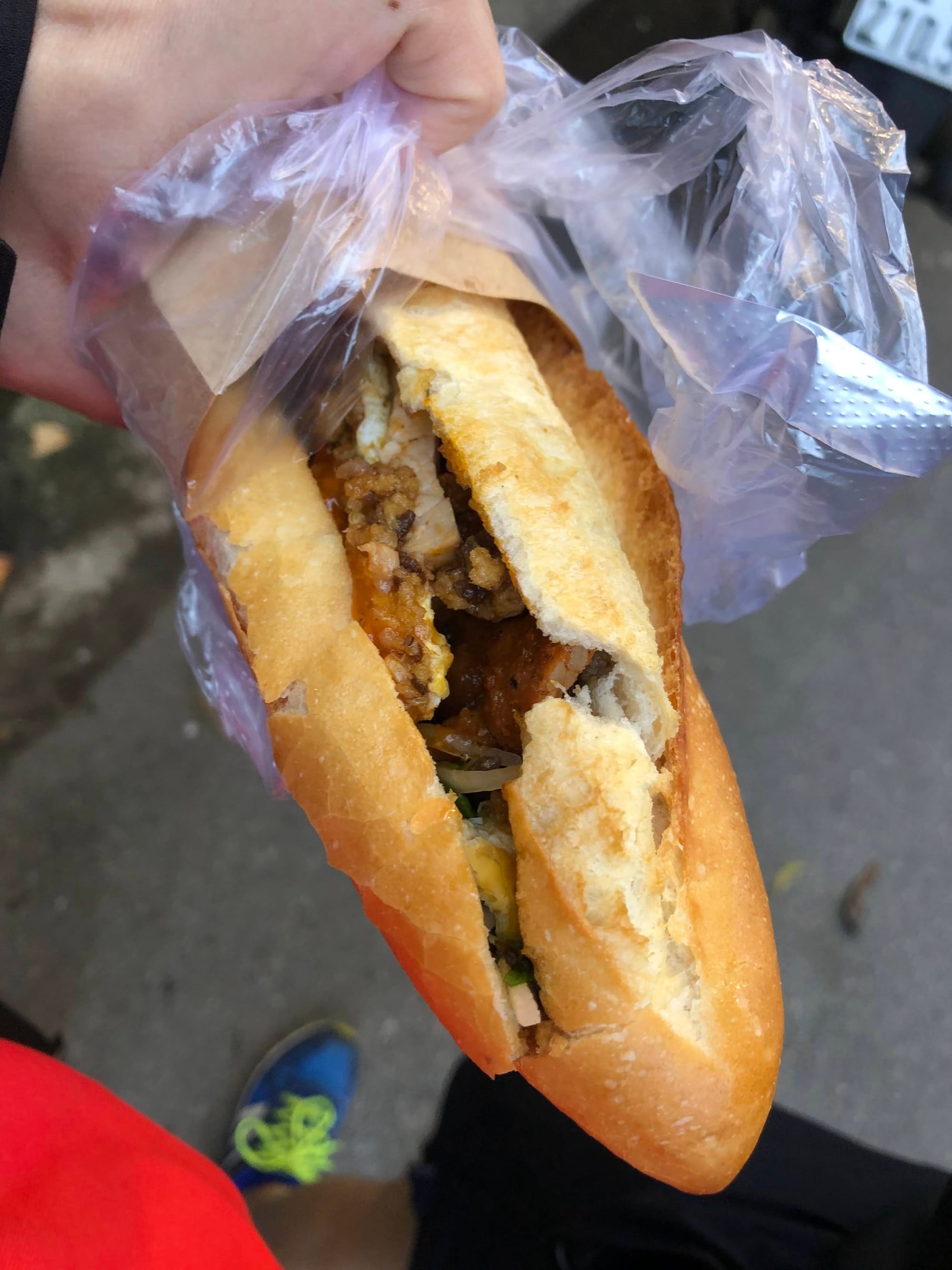
This was another food place recommended to us by the staff at our homestay. The banh mis here were so fresh, crispy, and thicccccc!
We couldn’t stop thinking about the banh mis here, so we got them twice:
- Mixed / Thap Cam – Comes with veggies, pork, BBQ pork, chicken, ham, eggs, pate, sauce, papaya and cucumber (30,000₫).
- BBQ Banh Mi / Banh Mi Thit Nuong – Comes with veggies, BBQ pork, pate, sauce, papaya and cucumber (30,000₫).
You can also choose your spice level (spicy, medium spice, or not spicy) for your banh mis, with no extra charges for takeaway.
Cost: 60,000₫ (S$3.40)
Banh Mi Phuong
Operating hours: 6.30am – 9.30pm daily
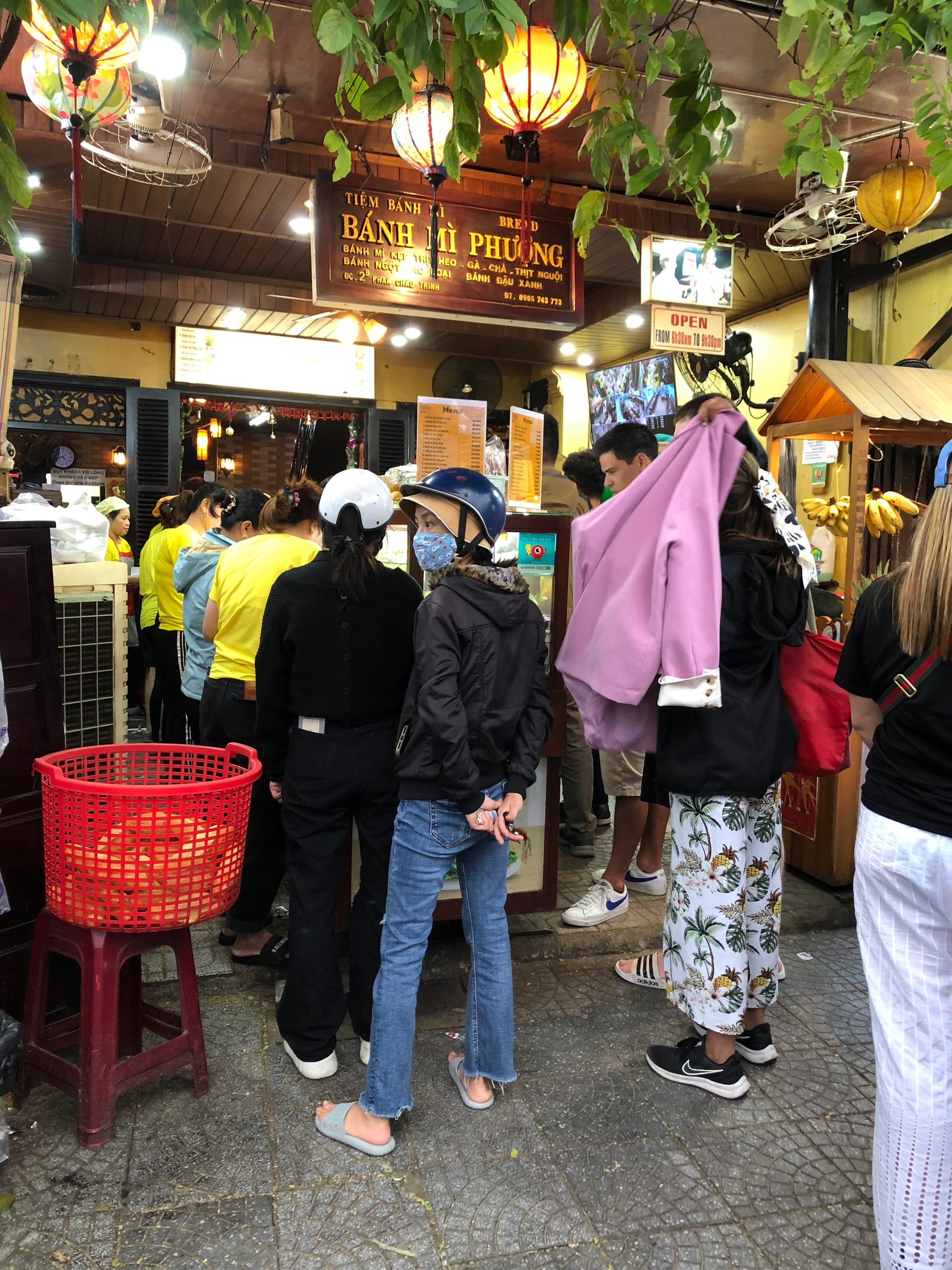
Recommended by the dearest Mr Anthony Bourdain, this was one of the banh mi shops he featured during his trip to Hoi An on the travel show "No Reservations". We definitely had to pay this banh mi shop a visit, and it did not disappoint!
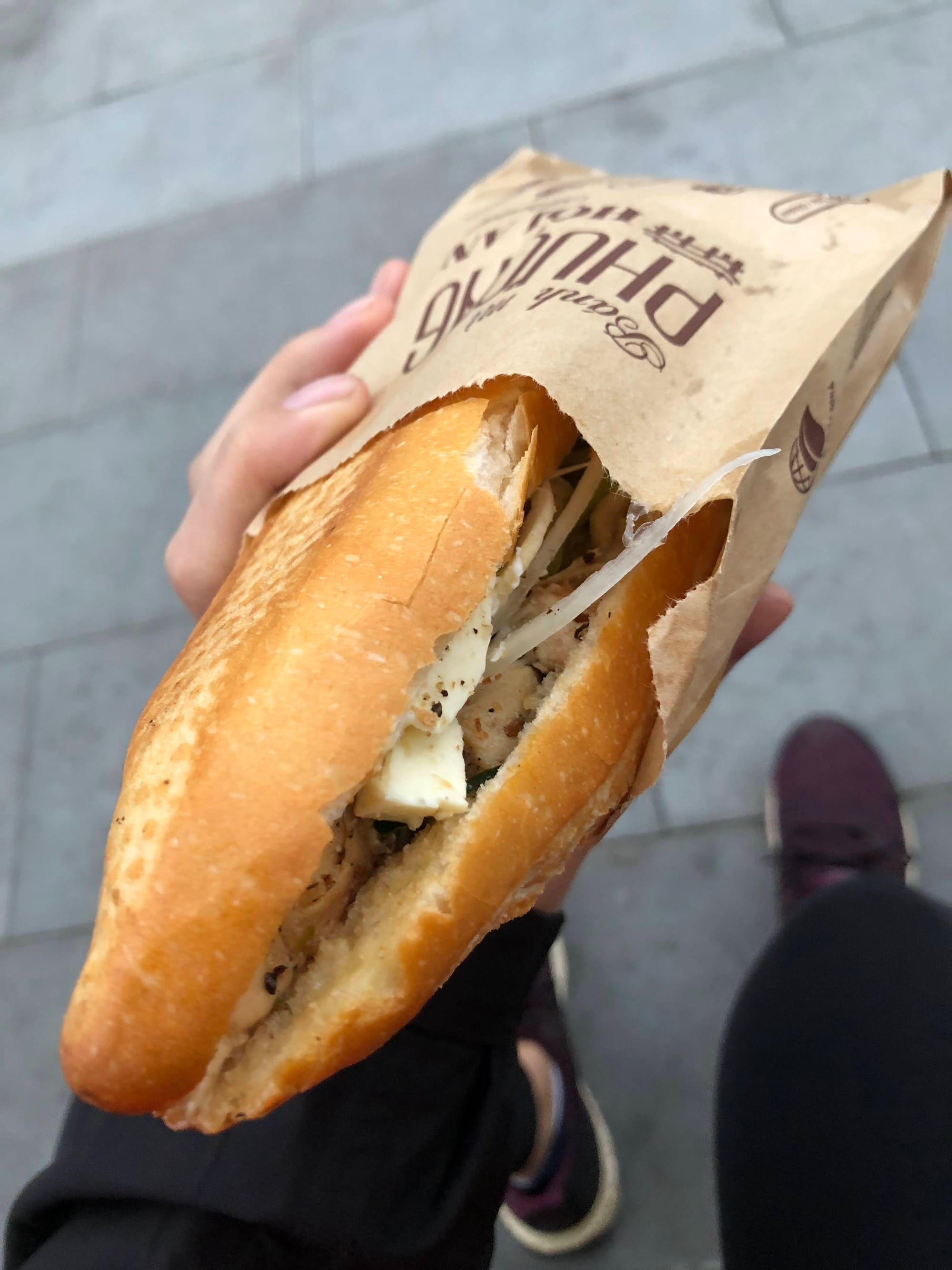
We went back twice and tried three of their banh mis:
- Banh Mi Thap Cam (Mixed) – 30,000₫
- Banh Mi Thit Bo Voi Trung (Beef with Eggs) – 30,000₫
- Banh Mi Thit Bo Cuon Phomat (Beef and Cheese) – 30,000₫
Our favourite was the beef with eggs banh mi!
Cost: 90,000₫ (S$5.00)
Walking Streets / Night Markets
There are quite a few streets and markets that bustle at night after 5pm:
Some streets intersect, with many smaller alleys along the way. Take your time exploring the streets and check out some of the local cuisines and desserts along the way!
Day 2 in Hoi An: Banh Beo Breakfast & Cycling Route
This was the only full day we had to explore beautiful Hoi An, so we decided to cover the small town by bike and see more of it. Our homestay staff also recommended a cycling route for us, which we followed to see many different sights.
Here’s how our day went:
- Breakfast along the morning food stand street
- Cycled around to check out the town
- Returned to explore the night markets and walking streets again and try some Vietnamese desserts
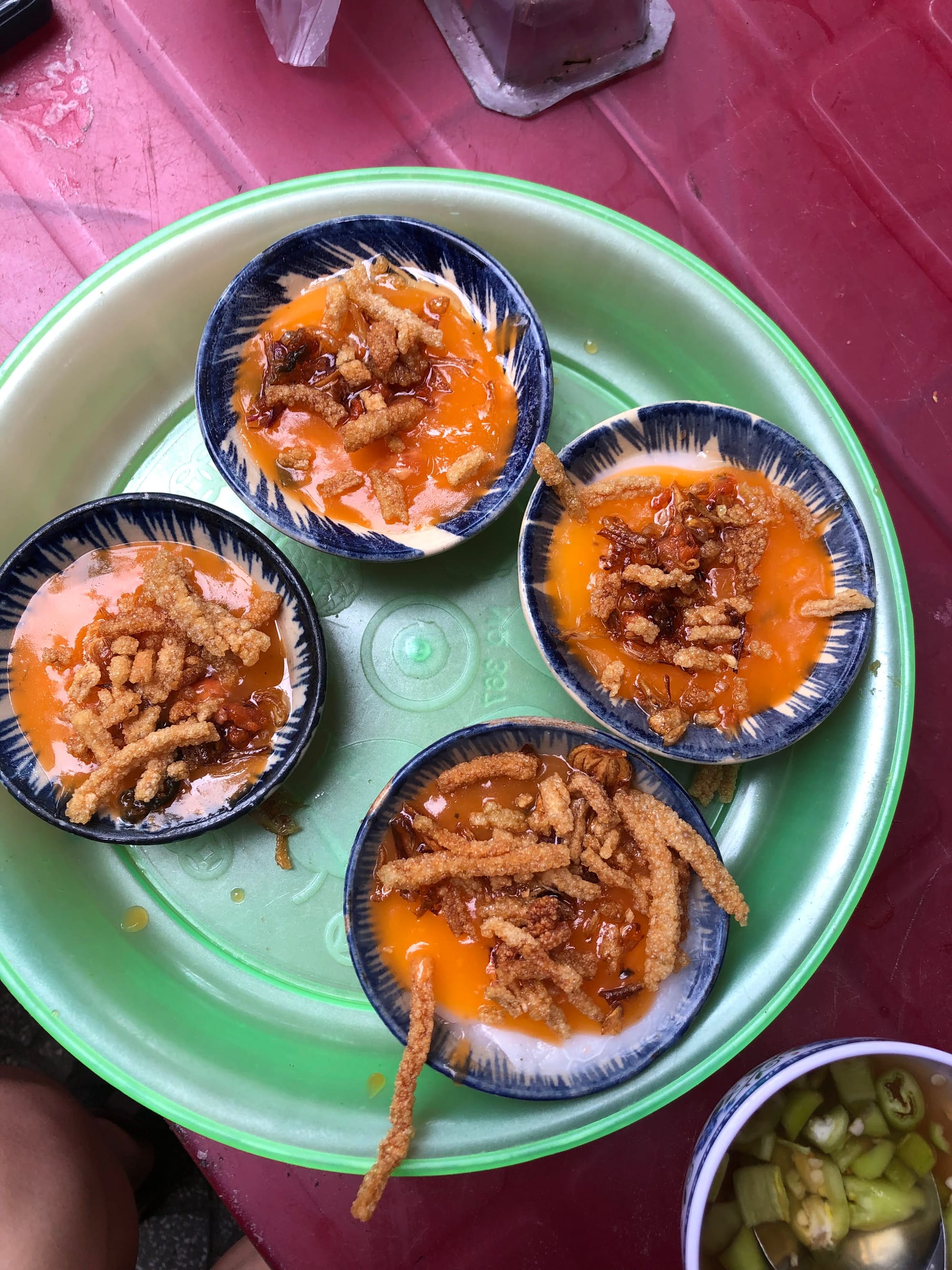
Banh Beo
Operating hours: Mornings only (no fixed timings)
Along this street, there are tons of food stalls where the locals go before heading to work. If you’re looking for authentic local food, this is probably the best it can get!
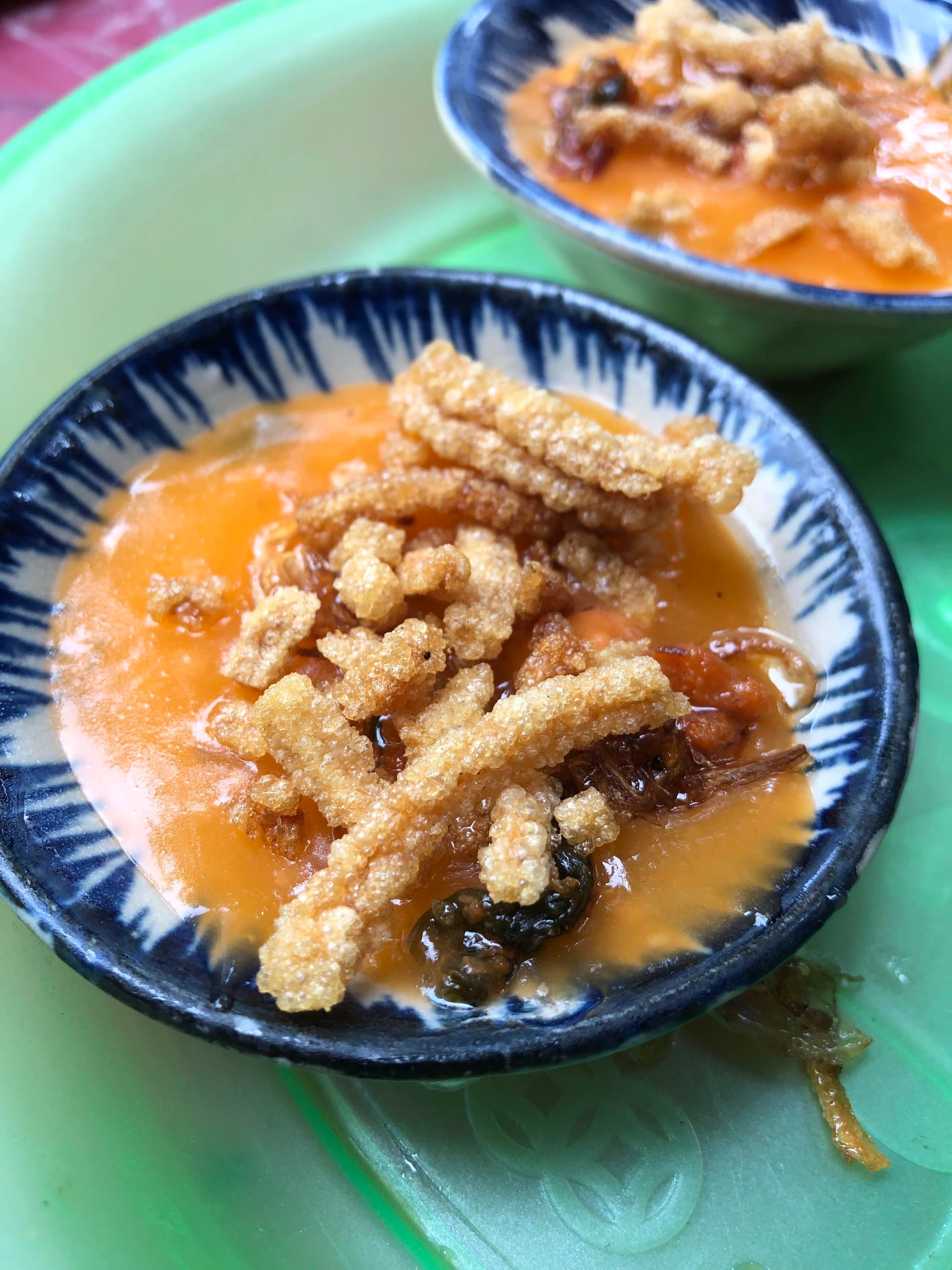
We checked out this banh beo stall, which serves something like the Vietnamese version of our Singaporean chwee kueh. Instead of preserved radish, theirs is topped with fried onions, shrimp, and pork rinds, with some umami sauce instead of sambal chilli.
Cost: 15,000₫ (S$0.85) – Minimum of four per plate
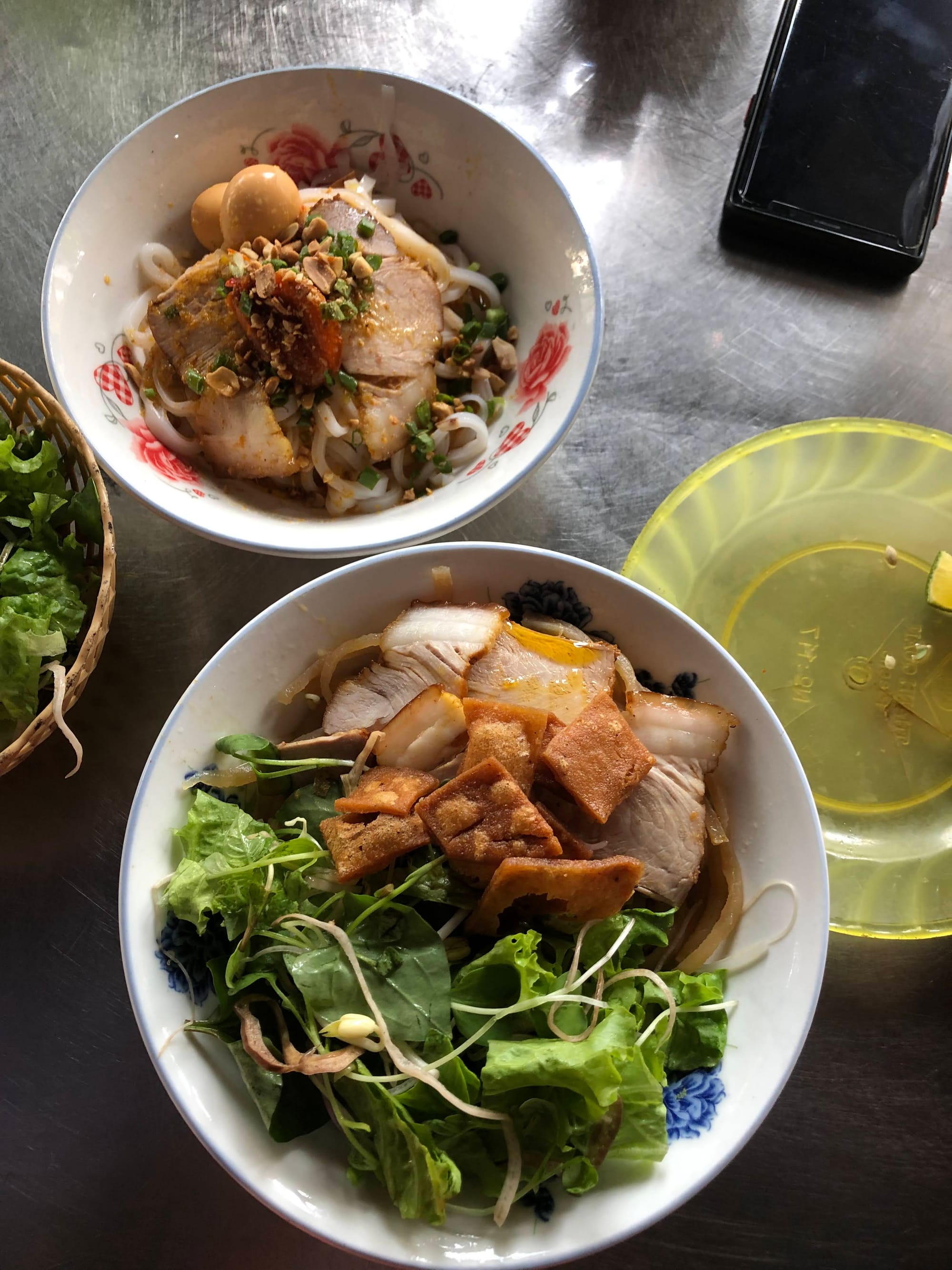
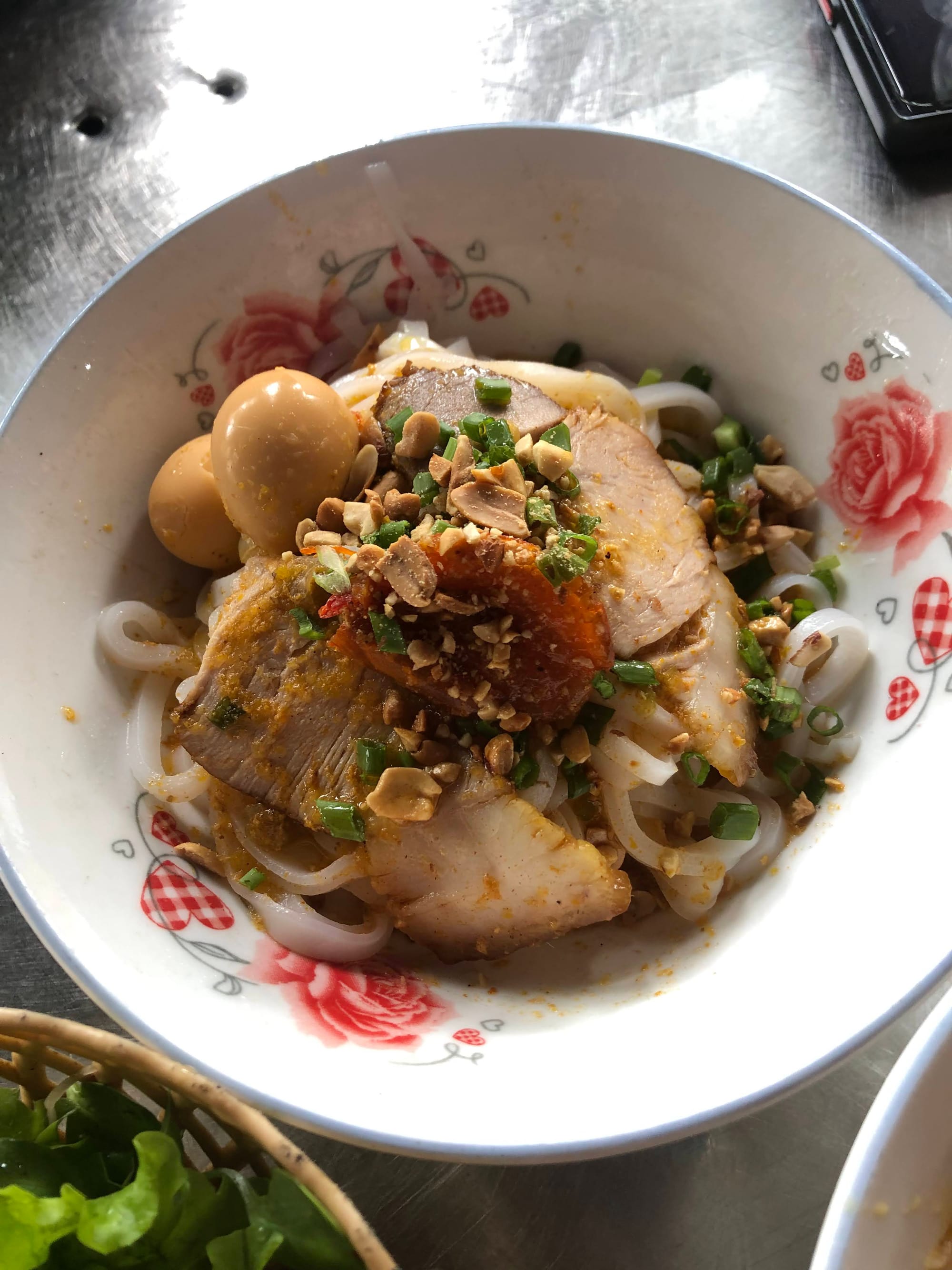
Cao Lau and Mi Quang
Operating hours: Mornings only (no fixed timings)
Other than banh beo and cao lau, there’s another dish that’s popular amongst the locals for breakfast: mi quang. This originated from Quảng Nam Province in central Vietnam and is one of the most popular and nationally recognised food items.
Cost: 70,000₫ (S$3.95)
Once we were fuelled up, we headed back to our homestay to grab some water and our rental bikes. Fortunately for us, the homestay came with complimentary bike rental for the whole day.
Our homestay staff shared some cycling routes with us and warned us about the scammy bike parking rates to look out for!
Pro-Tip: Bike parking should only cost 5,000₫ (S$0.30)
Anything above 5,000₫ is a tourist trap! Luckily for us, we had that crucial piece of information, and it really helped us save on bike parking along the way, with many owners charging 4-5x the price!
Pro-Tip: Be Prepared for the Sun!
The sun ain’t a joke!
Remember to dress appropriately to protect yourself from the sun. Bring your caps or hats, sunblock, and a water bottle; otherwise, you’ll have to keep buying drinks along the way.
Alternatively, some parking spot owners allow you to purchase a drink in exchange for “free” parking, but bottled drinks will usually cost you 20,000₫ (S$1.15) each.
Anyways, this was our cycling route for the day with rough google map locations linked:
- Rice fields and plantations
- An Bang Beach
- Coconut Village
- Thanh Ha Pottery Village
- Cao Lau lunch / tea break at Cho Thanh Ha Market
- Photo stop at the Cầu Cẩm Kim mới bridge, before heading back to rest and wash up for dinner along the walking streets!
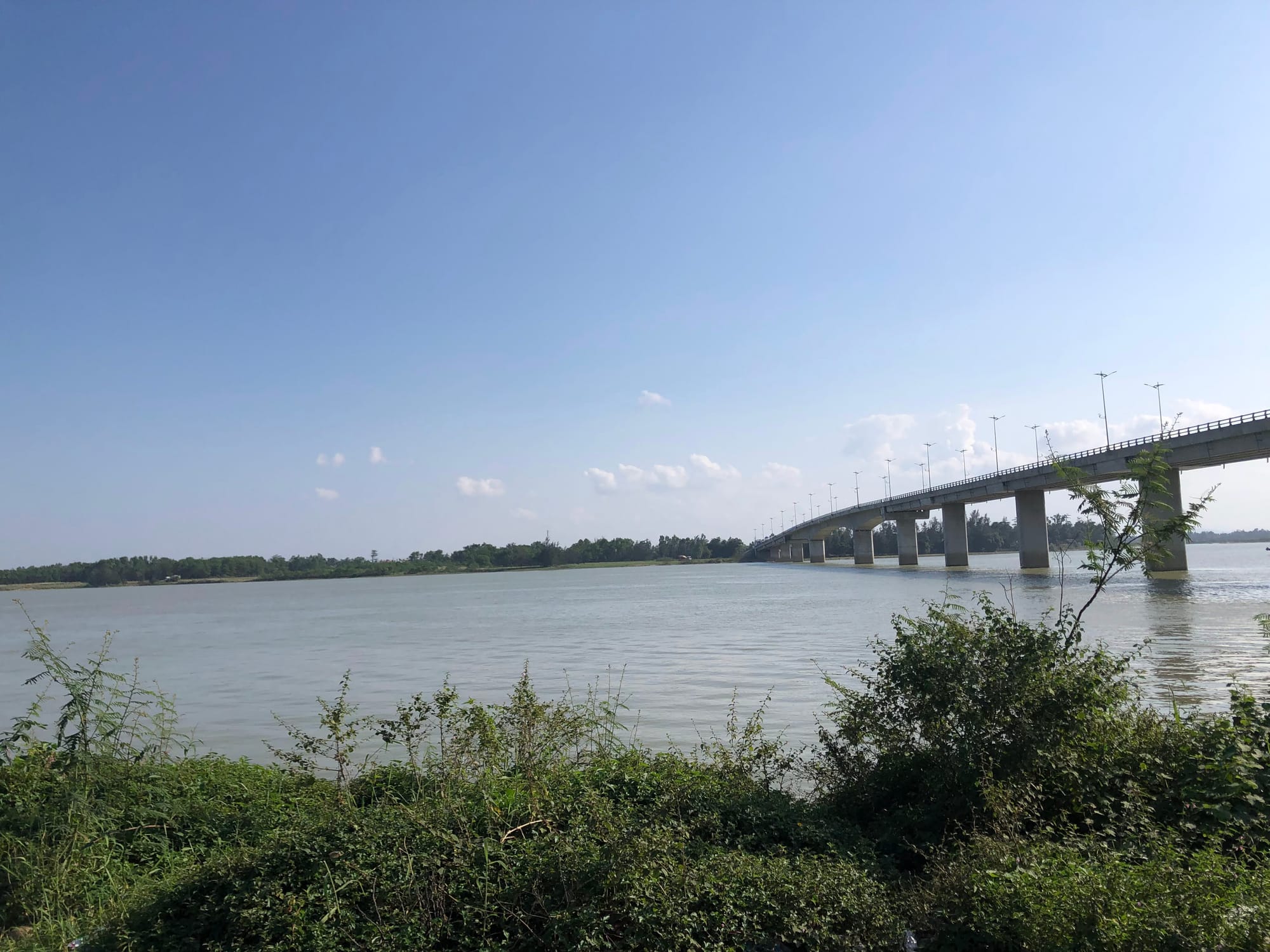
We were only given the landmarks, so our route was quite flexible. As long as there was a road, we were cool with it.
For those who have just learnt to cycle, try familiarising yourself with cycling on roads and trails first so that you’ll be more comfortable navigating busy streets and roads.
Day 3 in Hoi An: Last Banh Mi & Onward to Da Nang
There wasn’t much time on the last day, as our minivan was picking us up at 10am for our ride back to Da Nang.
We woke up early, went back to get more banh mis before we left, and checked out to make our way to Da Nang!
Our time in Hoi An was really short, but we enjoyed every moment and came back to get a set of tailored clothes!
Cost Breakdown for Hoi An
| Expense | Cost (SGD) | Cost (VND) |
|---|---|---|
| Transport Train from Hue to Da Nang Minivan from Da Nang to Hoi An Bicycle parking |
S$25.95 | 524,355₫ |
| Food & Water | S$26.88 | 543,200₫ |
| Activities | – | – |
| Accommodation 2 pax, 2 nights |
S$31.17 | 630,000₫ |
| Total | S$84.00 | 1,697,555₫ |
SGD amounts converted at S$1 = 20,210₫ (October 2026). Rates fluctuate, so please check a live converter before you budget.
From Hoi An, we took the same minivan back up the coast to Da Nang, swapping lantern-lit lanes for long sandy beaches, a buzzing city skyline, the Golden Bridge at Ba Na Hills, and Marble Mountains. Here's how we spent our time there: Read Stop #4: Da Nang Itinerary →
We're not done yet: there are still a few more stops to go on this trip. If you'd like the full route in one place, our Complete Vietnam Travel Guide brings every stop together, with routes, budgets and booking tips.
Hoi An Travel FAQ
How many days do you need in Hoi An?
2 to 3 days is ideal. Two days covers the Ancient Town, a lantern boat ride and the food. A third day lets you add the beach, a cooking class or a day trip to My Son Sanctuary.
Do you need a ticket to enter Hoi An Ancient Town?
You can walk the streets freely, but entering the heritage sites, including the Japanese Covered Bridge, needs an Old Town ticket.
How do you get from Hue to Hoi An?
There's no direct public transport. Take the train or bus to Da Nang (about 2.5 to 3.5 hours by train), then a taxi, Grab or shared minivan to Hoi An (about 45 minutes to 1 hour). A private car takes about 3 to 4 hours door to door.
When is the Hoi An Lantern Festival?
Every month on the full moon (the 14th day of the lunar calendar). The Old Town switches off its electric lights, and lanterns and candles light up the streets and river.
Is Hoi An good for tailor-made clothes?
Yes! Hoi An is known for fast, affordable tailoring. Most shops need 1 to 2 days plus a fitting, so place your order early in your stay, and by the evening, you should be able to be back for your first fitting.
How much does a trip to Hoi An cost?
We spent about S$86 for two people over 3D2N, including transport from Hue, food, activities and accommodation. See the full cost breakdown above.